Historycal: A Vintage Display Font for Makers
The afternoon light was filtering through the window of my craft studio, casting long shadows across the worktable scattered with wax samples, dried lavender sprigs, and stacks of kraft paper. I was in the middle of finalizing labels for a new batch of artisanal soy candles, but something felt off. The modern sans serif font I had been using felt too sterile, too clean for the rustic, hand-poured nature of the product. I needed a typeface that whispered "heritage" and "handmade" rather than shouting "corporate." That is when I discovered Historycal.
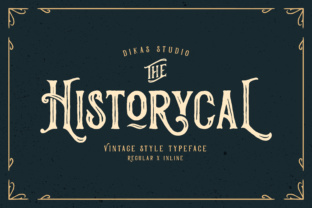
Historycal is a wonderfully vintage-inspired display font that immediately grabbed my attention. It is not just another digital file; it feels like a design asset pulled from an old library or a forgotten apothecary shop. As I opened the file and began typing out the candle names—"Midnight Rose," "Honey & Thyme"—the characters filled the screen with a personality that was both bold and nostalgic. This is exactly the kind of creative font that packs a punch and garners attention towards your designs without needing extra decoration.
Bringing Vintage Charm to Handmade Labels
The first real test was printing the labels on textured cardstock. I wanted to see how Historycal held up when translated from screen to paper. The result was stunning. The strokes of the letters have a slight irregularity, mimicking the feel of letterpress printing or hand-carved wood type. When paired with a simple, matte finish label, the text seemed to stand out with a premium quality that elevated the entire product.
For makers creating physical goods, the visual weight of a font can make or break a product's perceived value. Historycal offers a strong presence that suggests tradition and care. Whether you are designing boutique tags for a clothing line, packaging for soaps, or stickers for a planner kit, this display font communicates that the item inside is crafted with intention. It transforms a standard jar of candle into a gift-worthy treasure simply by changing the typography.
Designing for Cutting Machines and Small Details
One of the most exciting aspects of working with Historycal is its versatility across different mediums. I decided to test it on my Cricut machine to create a set of decorative stickers for a wedding stationery kit. Using a display font for small details can sometimes be risky if the intricate parts get lost during the cutting process. However, Historycal maintains its integrity even at smaller sizes, provided you keep the kerning tight.
When preparing files for vinyl cutting or heat transfer on tote bags and shirts, readability is key. While Historycal is primarily a display font meant for headlines and short phrases, its distinct character shapes ensure that words like "Love," "Home," or "Vintage" remain legible even when applied to fabric or glass mugs. For longer descriptions, however, it is best to reserve this font for titles and pair it with a simpler body text. This approach ensures your customer gets the aesthetic impact of the vintage style without struggling to read the ingredients list or care instructions.
Crafting Cohesive Brand Identity
As a handmade seller, consistency is the backbone of brand identity. I found that Historycal became the anchor for my shop's visual language. Once I used it on the candle labels, I naturally wanted to extend that look to my social media graphics, digital downloads, and even my listing images. The font has a mood that is warm, inviting, and slightly mysterious, which perfectly aligns with the storytelling aspect of selling handmade goods.
Using a consistent typeface helps customers recognize your products instantly in a crowded marketplace. When they scroll past a thumbnail of a printable wall art piece or a mockup of a wedding invitation, the familiar curves and serifs of Historycal signal that this is part of a curated collection. It builds trust and emotional appeal, suggesting that every item in the shop shares the same level of thoughtful design.
Mastering Font Pairing for Maximum Impact
To truly let Historycal shine, pairing it correctly is essential. In my recent project designing farmhouse-style welcome signs, I paired the bold, vintage strokes of Historycal with a clean, minimal sans serif font for the date and location details. The contrast between the ornate display font and the straightforward secondary font created a balanced composition that was easy on the eyes.
You can also experiment with pairing Historycal with a delicate script font or a handwritten font to add a personal touch to greeting cards or wedding invitations. Imagine a large "Welcome" in Historycal, followed by the couple's names in a flowing script. Or, try combining it with a classic serif font for a more editorial, magazine-like look on packaging design. These combinations allow you to maximize the uniqueness of your design while maintaining professional standards.
Practical Considerations for Commercial Use
Before diving into production, it is vital to understand the technical capabilities and licensing of the font you choose. Historycal comes with different styles, which maximizes the flexibility of your projects. I took time to explore the included alternates, ligatures, and swashes. These special characters allowed me to customize the look of specific words, adding flourishes to the ends of lines or swapping out a standard 'g' for a more decorative version. These small details are what separate a generic design from a custom, high-end creation.
For those planning to sell physical products, templates, or digital downloads, always verify the commercial font licensing. Ensure that the license covers the intended use, whether it is for merchandise like t-shirts and mugs, printables sold as PDFs, or SVG-style designs for other crafters. Additionally, check the file formats and multilingual support to ensure the font works seamlessly in your design software, whether you are using Adobe Illustrator, Canva, or Silhouette Studio.
Ultimately, Historycal is more than just a set of characters; it is a tool for storytelling. It allows crafters and creators to infuse their products with a sense of history and charm that resonates with buyers looking for authenticity. From the moment I printed that first candle label, I knew this display font would become a staple in my design arsenal. It brings a tactile, human element to digital files and elevates the presentation of every handmade item I create.